
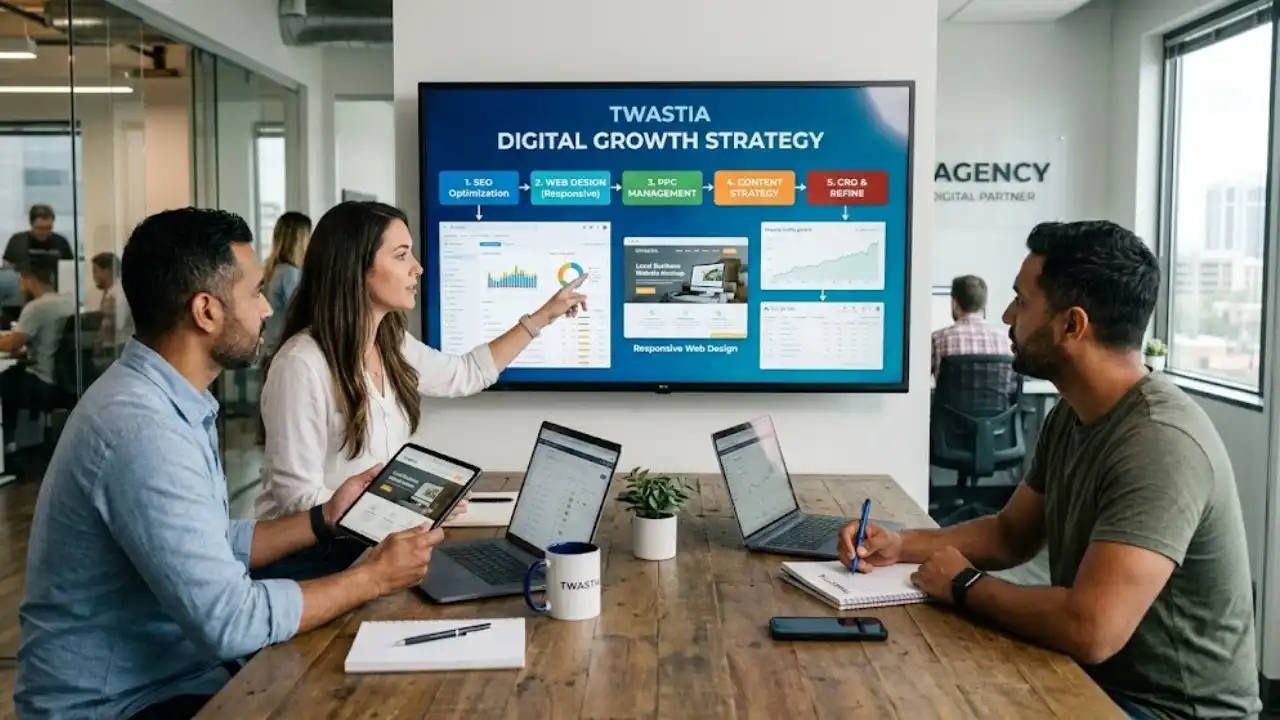
Building a reliable online presence requires coordination across search optimization, site design, paid media, and content development. When business owners search for twastia, they are generally looking to understand what the agency offers, how its services function, and whether its digital growth strategies fit their operational goals.
Digital agencies vary widely in how they package their services. Some focus strictly on technical web builds, while others manage full scope marketing pipelines. Understanding the core capabilities of twastia helps business owners evaluate their technical requirements before investing in external marketing support.
Core Digital Services and Capabilities
A well structured digital strategy connects front end user experience with back end traffic generation. Agencies operating in this space typically structure their offerings around several foundational pillars.
Search Engine Optimization (SEO)
SEO focuses on increasing organic visibility across major search engines. Rather than relying on quick fixes, sustainable optimization requires a balance of technical and content based work:
-
Technical Audits: Reviewing site architecture, crawlability, indexation, page loading speeds, and mobile responsiveness.
-
On Page Optimization: Structuring heading tags, refining meta descriptions, optimizing images, and building internal linking paths.
-
Keyword Strategy: Identifying high intent search terms that align with user purchasing behavior rather than purely high volume informational queries.
Custom Web Design and Architecture
A website serves as the central hub for all digital traffic. Effective web design balances aesthetic appeal with technical performance:
-
User Experience (UX) Design: Structuring site navigation so visitors can find pricing, service details, and contact forms without friction.
-
Responsive Layouts: Ensuring pages render properly across desktop computers, tablets, and smartphones.
-
Page Speed Performance: Minimizing heavy script execution and unoptimized media files that cause slow load times and drop off rates.
Paid Advertising (PPC) Management
While organic traffic builds authority over time, paid channels provide immediate placement for commercial queries:
-
Search Engine Ads: Running targeted campaigns on platforms like Google Ads to capture users actively looking for immediate solutions.
-
Conversion Tracking: Setting up accurate event tracking to measure cost per lead and overall return on ad spend.
-
Landing Page Alignment: Matching the messaging on ad copy directly to the landing page content to improve quality scores and conversion rates.
Content Strategy and Copywriting
Content bridges the gap between search engine crawlers and prospective clients. Informative, well structured articles and landing pages build trust while answering direct customer questions:
-
Service Page Copywriting: Clearly defining value propositions, project scopes, and service details.
-
Blog and Educational Resources: Publishing articles that address common industry challenges and answer search queries.
-
Brand Messaging: Maintaining a consistent, professional tone across all public facing assets.
How Digital Agencies Drive Growth: Practical Workflow
Working with a service provider like twastia generally follows a phased project timeline. Knowing what happens at each stage keeps expectations realistic and projects on schedule.
First, conduct an initial discovery and site audit to uncover technical issues and market positioning. Next, create a strategic plan that outlines targeted keywords, design specifications, and ad budgets. After planning, proceed to execution and development by building out deliverables and launching campaigns. Finally, maintain ongoing measurement and continuous refinement to optimize overall performance based on real user data.
Phase 1: Initial Discovery and Site Audit
Before launching campaigns or rewriting code, a thorough discovery phase identifies existing technical issues and market positioning. This includes analyzing site analytics, reviewing competitor profiles, and identifying broken links or crawl errors.
Phase 2: Strategic Planning
Based on audit findings, a structured roadmap is developed. This outline establishes specific milestones, keyword targets, ad budgets, and design specifications. Clear project scope documentation prevents feature creep later in the process.
Phase 3: Execution and Development
Developers, designers, and copywriters build out the agreed deliverables. This may involve staging new site layouts, drafting fresh landing page content, or building targeted pay per click ad groups.
Phase 4: Measurement and Continuous Refinement
Digital marketing is an ongoing iterative process. After launch, performance metrics must be monitored consistently to adjust bids, refine metadata, and test headline variations based on actual user behavior.
Key Considerations When Choosing a Digital Marketing Partner
Selecting the right partner depends on your specific business stage, budget, and internal resources. Keep these practical considerations in mind when evaluating a digital partner:
-
Scope Clarity: Ensure the agency provides a detailed breakdown of deliverables rather than vague promises of high search rankings.
-
Platform Access: Maintain full ownership of your domain registration, hosting accounts, analytics profiles, and ad accounts.
-
Reporting Frequency: Look for transparent, regular reporting that tracks real business metrics like leads, form submissions, and sales rather than surface level impressions alone.
-
Technical Standards: Confirm that web design projects adhere to modern coding standards, web accessibility guidelines, and search engine quality criteria.
Common Mistakes Businesses Make in Online Marketing
Even well funded marketing campaigns can underperform if basic principles are overlooked. Working with experienced professionals helps prevent frequent industry pitfalls:
-
Separating Design from SEO: Redesigning a site without an SEO migration plan can lead to lost search rankings and broken URL structures.
-
Ignoring Conversion Paths: Driving paid traffic to a site that lacks clear calls to action wastes advertising budget.
-
Expecting Instant Organic Results: Organic search optimization takes time to show measurable gains. Businesses expecting overnight ranking changes often abandon sound strategies prematurely.
-
Overlooking Mobile Users: A significant portion of web traffic originates on mobile devices. Sites that perform poorly on phones lose potential leads immediately.
Making the Right Choice for Your Online Strategy
Whether you need a complete website redesign, continuous search optimization, or managed advertising campaigns, working with a structured agency like twastia provides access to specialized skills across multiple digital disciplines.
Before committing to a provider, evaluate your existing digital footprint, define your primary business goals, and ensure your prospective agency offers a clear, measurable roadmap for implementation.